
An inheritance can feel like a gift and a threat at the same time when your child depends on SSI or Medicaid. These programs cap countable resources at $2,000 for SSI and $17,500 for Medicaid, and even a modest windfall can push a beneficiary over that line and cut off benefits overnight. We hear this worry often from parents and grandparents who want to leave something behind without putting their child or grandchild’s healthcare or monthly income at risk.
The direct answer is yes, an inheritance can affect your child’s SSI or Medicaid, but it does not have to. A special needs trust is a legal tool that holds inherited assets for your child’s benefit while keeping those funds from counting against program limits. At Voorn, Preston & Carlasare, PLLC, we help Illinois families set up these trusts correctly, whether you’re planning ahead or reacting to money your child has already received. Below, we walk through how these trusts work, which type fits your situation, and what to do if the inheritance already landed in your child’s name.
Key Takeaways
An inheritance left directly to a child receiving SSI or Medicaid can push their assets over the allowable resource limit and cause a loss of benefits.
A properly funded special needs trust lets your child keep government benefits while still using inherited funds to improve their life.
The right trust type, first-party or third-party, depends on whose money funds it and your child’s age.
Trust funds must supplement benefits, not replace them, covering things like therapy and personal care rather than costs otherwise covered by Medicaid or SSI.
Loop in an estate planning attorney before the inheritance is received whenever possible, since planning ahead avoids most problems.
Will an Inheritance Really Affect My Child’s SSI or Medicaid?

Yes, an inheritance can affect your child’s SSI or Medicaid, because both programs use strict asset tests to decide who qualifies. SSI generally limits countable resources to $2,000 for an individual, and Medicaid eligibility in Illinois has a $17,500 limit. Countable resources include cash and bank accounts your child owns outright, though a primary home or one vehicle is typically excluded.
When a child inherits money, a settlement pays out, or a relative hands over a cash gift, that amount gets added to their countable resources right away. If the total crosses the asset limit threshold, the government benefits can be suspended or terminated. Even a few thousand dollars, given with the best intentions, can trigger a benefits review that drags on for months.
What Is a Special Needs Trust and How Does It Protect Benefits?
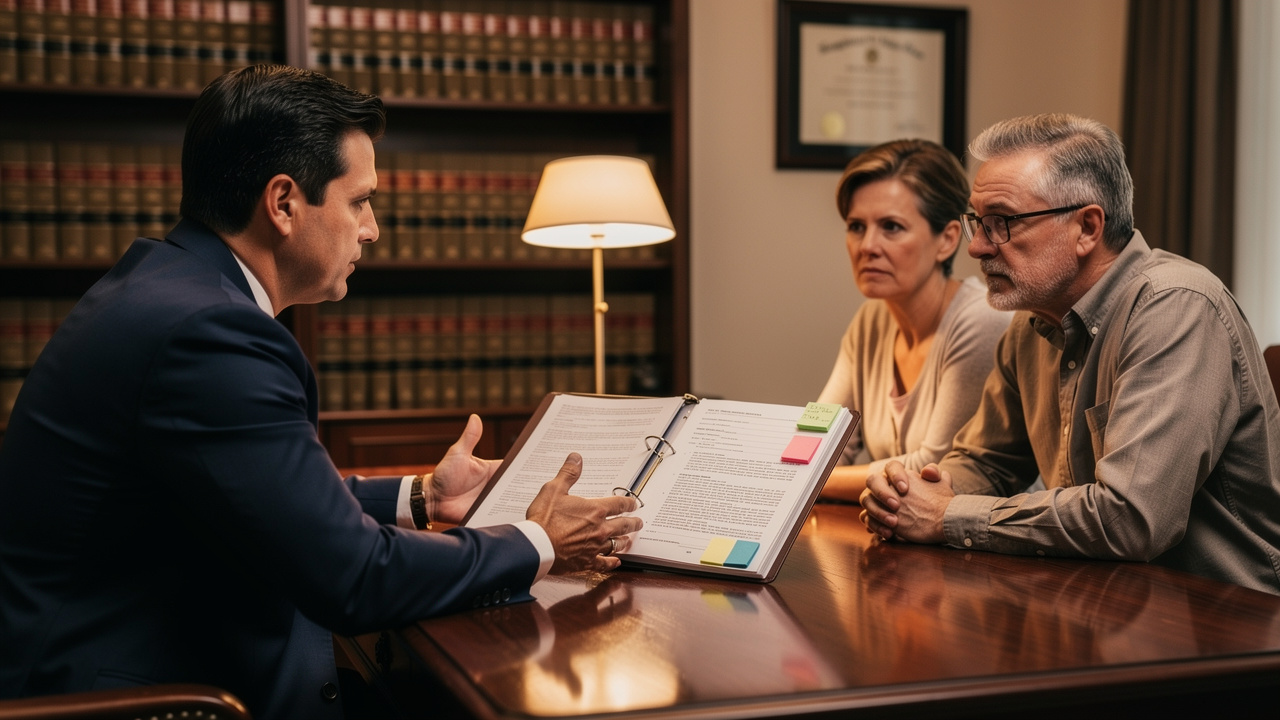
A special needs trust, also called a supplemental needs trust, is a legal arrangement that holds assets for a person with a disability without that person legally owning them outright. Because the trust, not your child, holds title to the money, the funds usually don’t count toward the SSI or Medicaid resource limit. A trustee, who can be a family member, a professional, or both, manages the assets and pays for expenses on your child’s behalf. This separation is what lets your child use inherited money without losing eligibility.
The trust works by supplementing government benefits rather than replacing them, since SSI and Medicaid already cover basics like housing and medical care. Trustees typically pay vendors directly for extras such as:
Therapy, education, and vocational training
Personal care attendants and specialized equipment
Transportation, recreation, and assistive technology
Handled this way, distributions rarely interfere with your child’s benefits.
Which Type of Special Needs Trust Fits My Family’s Situation?

Special needs trusts generally come in two forms, and the right one depends on whose money funds it and your child’s age. A first-party trust holds assets that belong to your child, often from a direct inheritance or settlement received in their own name. A third-party trust holds money from you or another relative, set up specifically for your child’s benefit. The key difference is that first-party trusts must repay Medicaid after your child passes away, while third-party trusts carry no repayment obligation.
First-Party Special Needs Trust
A first-party special needs trust holds assets that legally belong to your child, which fits a direct inheritance received in their name. Federal law requires a parent, grandparent, guardian, court, or competent beneficiary to set it up. The trust must be irrevocable, and after your child passes away, the state Medicaid agency is reimbursed from remaining funds first.
A pooled special needs trust is run by a nonprofit organization that opens an individual account for your child within a larger, professionally managed fund. The pooled special needs trust is the only one that can be set up for a beneficiary 65 years or older, which makes it a useful option for adults who inherit money later in life. Each account is tracked separately, but funds are invested together for efficiency. Because it’s often funded with the beneficiary’s own assets, Medicaid payback generally still applies when your child passes away.
Third-Party Special Needs Trust
A third-party special needs trust holds money that belongs to you or another relative, never assets your child already owns. Because the funds never belonged to your child, there’s no Medicaid payback requirement, and you decide who gets whatever remains after your child passes away. You can create this trust now, or write it into your will as a testamentary trust that activates after you pass away.
How Can I Protect My Child’s Inheritance Before It’s Too Late?

Protecting your child’s inheritance starts long before any money changes hands, by making sure your will, beneficiary designations, and trust documents all point toward a third-party special needs trust instead of your child directly. Grandparents, aunts, uncles, and life insurance policies should name the trust as beneficiary, not your child by name, so the funds never touch the child’s personal accounts. Reviewing these documents together, rather than one at a time, catches gaps that could undo years of planning.
At Voorn, Preston, & Carlasare PLLC, our special needs planning, estate planning and probate, and guardianship services work together to get this right the first time. We commonly help families with:
Drafting a third-party special needs trust alongside a will or living trust
Updating outdated beneficiary designations on life insurance and retirement accounts
Coordinating guardianship documents for a child who can’t manage funds independently
What Happens If the Inheritance Was Already Received Directly?

If your child already received an inheritance directly, you haven’t necessarily lost the chance to protect their benefits. A first-party special needs trust — sometimes called a self-settled trust — can still be created after the fact, as long as your child is under 65. The trust can be established by a parent, grandparent, guardian, a court, or by your child themselves if they have the capacity to do so. Whatever remains of the inheritance is then transferred into the trust, which must include the Medicaid payback provision required by federal law.
If your child is 65 or older, a pooled special needs trust, managed by a nonprofit, is typically the alternative to consider instead.
The catch is timing. Social Security and Medicaid may suspend benefits once they learn about the extra resources, and that suspension can drag on until the trust is properly established and reported. Acting within days, not weeks, makes a real difference in how fast benefits come back.
The Takeaway
An inheritance doesn’t have to mean choosing between helping your child financially and keeping the benefits they depend on. Whether you’re planning years ahead or reacting to money that already arrived, a properly structured special needs trust, first-party or third-party, keeps SSI and Medicaid intact while still improving your child’s daily life.
Every family’s situation looks a little different, so a generic template rarely covers all the bases. If you’re weighing your options in Illinois, our team at Voorn, Preston, & Carlasare, PLLC is ready to walk through your family’s specific circumstances with the clear, compassionate guidance you deserve, whether that means drafting a new trust or fixing one that’s already underway or in place.
Frequently Asked Questions
Families dealing with this issue tend to ask similar questions once they realize an inheritance is coming, or has already arrived. Below are answers to the ones we hear most often from parents and grandparents working through SSI, Medicaid, and special needs trust planning together.
Can My Child Lose SSI Benefits From A Small Inheritance?
Yes, even a small inheritance can trigger a loss of SSI if it pushes your child’s total countable resources over the $2,000 limit. What matters is the total amount your child holds, not just the size of the new gift or inheritance itself.
Do I Have To Report An Inheritance To Social Security?
Yes, SSI recipients must report any change in income or resources, including an inheritance, usually within 10 days after the end of the month it’s received. Failing to report can lead to overpayment penalties or a longer benefits suspension later.
Can A Special Needs Trust Be Set Up After My Child Already Received The Inheritance?
Yes, a first-party special needs trust can still be created after the inheritance arrives. Acting quickly matters, since benefits may stay suspended until the trust is properly funded and reported.
How Much Does It Cost To Set Up A Special Needs Trust In Illinois?
Costs vary based on the trust’s complexity, the attorney’s fees, and whether other estate planning documents need updating at the same time. We recommend scheduling a consultation for a personalized estimate rather than relying on a flat, one-size-fits-all number.
Can I Just Disclaim The Inheritance On My Child’s Behalf Instead?
Disclaiming is legally possible, but it comes with family, legal, and benefits complications. Both Medicaid and SSI generally treat a disclaimer as a transfer of assets for less than fair market value — the same as if your child had received the inheritance and then given it away — which can trigger a penalty period of ineligibility for benefits. Meanwhile, the assets simply pass to the next heir in line instead of your child. Unlike a special needs trust, disclaiming doesn’t preserve the money for your child’s benefit — it can jeopardize the benefits they already rely on, with nothing gained in return.
Does An ABLE Account Work Instead Of A Special Needs Trust?
An ABLE account is a tax-advantaged savings option, but it caps annual contributions far below what most inheritances involve ($19,000/year in 2026). For larger inheritances, families often use a special needs trust and an ABLE account together rather than relying on just one.