
How long to keep tax records is one of the most common questions we hear from clients across Illinois. Some people shred every paper the moment tax season ends. Others keep every receipt and statement for 20 years, worried they might need it someday. Neither approach protects you, and both can create real problems down the road.
Retention rules depend on the type of document and what it protects you from. For most tax records, the IRS gives you a three-year window tied to the statute of limitations, though several exceptions stretch that timeline much longer. Estate documents, medical records, and property records each follow their own rules, and Illinois families dealing with elder care, guardianship, or a home sale need to understand all four categories: tax, estate, medical, and property. At Voorn, Preston, & Carlasare, PLLC, we help clients sort out which papers matter and which ones are safe to let go.
Key Takeaways
Here’s the fast version if you’re short on time and just need the numbers.
Keep most tax records for at least three years from the date you filed, since that’s the standard window for the IRS to assess additional tax.
Certain situations, like significantly underreported income, bad debt, or foreign tax credit claims, extend that period to six, seven, or even ten years.
Some records, like IRA basis forms and investment purchase records, need to be kept until the account or asset is gone, plus several years.
If long-term care may be in your future, keep at least five years of financial records for Illinois Medicaid’s look-back period.
Estate planning documents and records of major medical history should be kept for life.
How Long To Keep Tax Records
How long to keep tax records depends on your filing history and whether the IRS could still question your return. As a baseline, keep your tax paperwork for at least three years from the date you filed. Several situations push that window much further, sometimes to six, seven, or ten years, and a few call for keeping records indefinitely.
The Standard Three-Year Rule
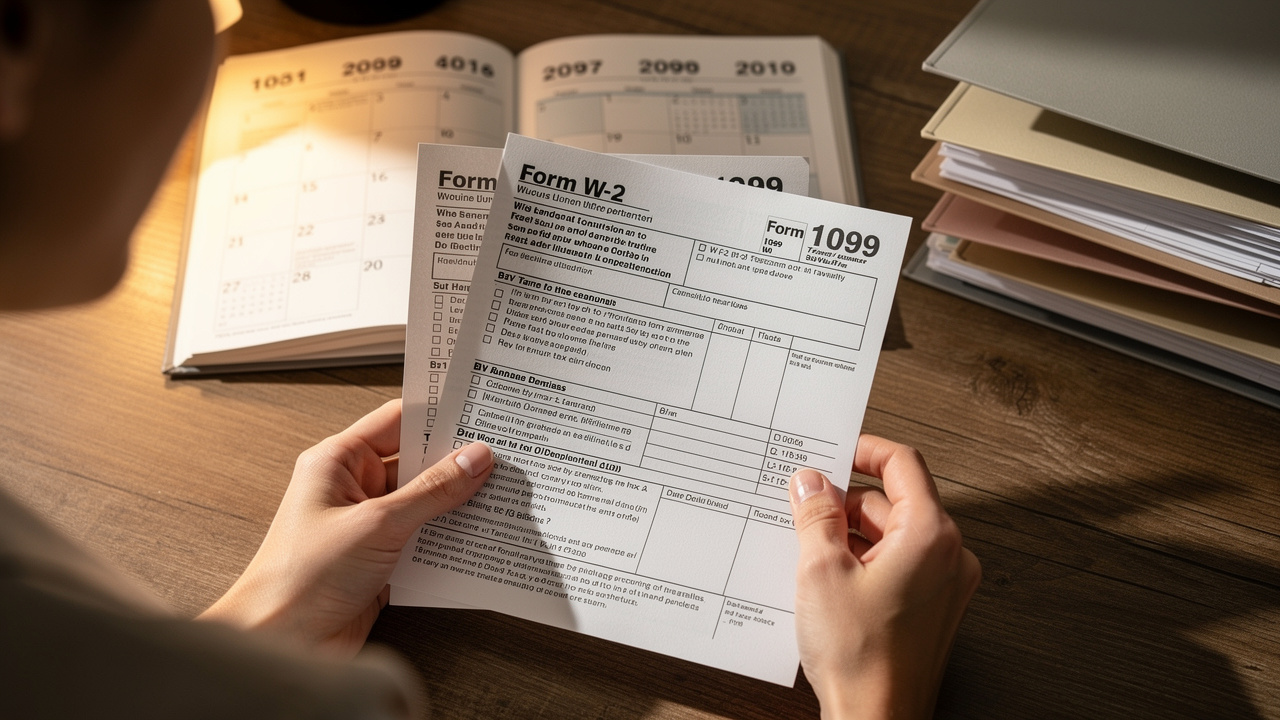
The period of limitations is the window during which you can amend your return to claim a refund, or the IRS can assess additional tax, a rule the IRS outlines in its recordkeeping guidance on how long records should be kept. For most people, that clock runs three years from the day you filed, not from December 31 of the tax year. If you filed early, the IRS treats your return as filed on the due date. If you’re claiming a refund, you have three years from filing or two years from when you paid the tax, whichever is later.
During those three years, keep your W-2s, 1099s, bank statements, receipts, and canceled checks that support your income and deductions. Keep a copy of the return itself too, since it helps with future filings and proves you filed if a question ever comes up. We recommend storing everything together by tax year so you’re not searching for it later.
Illinois follows a similar timeline. You can generally claim an Illinois refund within three years after filing or one year after paying the tax, whichever is later, and Illinois requires you to report changes the IRS makes to your federal return. The simplest approach is to keep your Illinois records at least as long as the matching federal records.
When You Need To Keep Records Longer
Here’s a quick breakdown of the situations that stretch your retention window past three years:
Underreported income: If you left off more than 25% of the gross income shown on your return, the IRS gets six years to assess additional tax under rules that extend the federal tax assessment statute of limitations.
Foreign financial assets: The same six-year window applies if you left off more than $5,000 of income from foreign financial assets.
Bad debt or worthless securities: Claims for these losses carry a seven-year window.
Foreign tax credit claims: These stretch to ten years.
Employment tax records: Employers should keep these for at least four years after the tax is due or paid, whichever is later.
Two situations call for keeping records indefinitely. If you never filed a return for a given year, there’s no statute of limitations, so the IRS can assess tax at any time. The same is true if a return was fraudulent. In either case, keep everything you have, since those records may be your only protection years later.
Records That Follow You for Years
Some tax records don’t fit neatly into a yearly timeline because they support something you’ll report later. Keep these until the underlying account or asset is gone, and then for the full limitations period on that final return:
Form 8606 for nondeductible IRA contributions: This form shows you already paid tax on part of your IRA. Without it, you or your heirs could pay tax twice on the same money. Keep it until the IRA is fully withdrawn.
Investment purchase records: Brokerage statements showing what you paid for stocks, bonds, or mutual funds determine your gain or loss when you sell.
Loss carryforwards: If you’re carrying a capital loss or net operating loss into future years, keep the records until the loss is fully used.
What Estate Planning Documents Should You Keep, and for How Long?

Estate planning documents call for a different approach than tax paperwork, since most of them need to last a lifetime. Keep your original will, trust, and powers of attorney indefinitely, stored somewhere safe where your family can find them when the time comes.
Where you keep the original will matters in Illinois. After a death, whoever has the original will is required to file it promptly with the clerk of the circuit court in the county where the person lived. Courts generally want the original, not a copy, so make sure your executor or a trusted family member knows exactly where it is.
Review beneficiary designations on life insurance and retirement accounts after every major life event, like a marriage, divorce, or birth, since an outdated beneficiary form can supersede a will.
If you’re serving as an executor or trustee, keep estate administration records, receipts, and accounting statements for several years after the estate closes, along with the estate’s final income tax returns. This protects you if a beneficiary later questions how assets were distributed.
Inherited Property and Stepped-Up Basis
If you inherit a home, investments, or other property, your cost basis is usually the asset’s value on the date of death, not what the original owner paid. This “stepped-up basis” can dramatically reduce the capital gains tax you owe when you sell. Keep the date-of-death appraisal or account statements until you sell the asset and the limitations period for that sale has passed. Without that documentation, you may have trouble proving your basis and could end up overpaying.
Financial Records and Long-Term Care Planning
If there’s any chance you or a parent will need help paying for long-term care, recordkeeping becomes especially important. Illinois Medicaid reviews financial transactions from the five years before an application for long-term care coverage. The state will ask for bank statements and explanations of large withdrawals, gifts, or transfers during that window. Families who have discarded those records often face delays or have trouble explaining legitimate transactions.
VA Aid and Attendance has a similar three-year look-back for veterans and surviving spouses. If long-term care is on the horizon, keep at least five years of bank and investment statements, along with records of any gifts or asset transfers.
How Long Should You Keep Medical Records?
Medical records deserve long-term storage because they often matter well beyond your last appointment. Keep documentation of major surgeries, chronic diagnoses, and ongoing treatments permanently, since future providers may need that history. A good rule of thumb is to keep insurance claim records and explanation-of-benefits statements for at least a few years after a claim closes, in case a coverage or billing dispute comes up. If you deduct medical expenses on your tax return, keep those receipts on the same timeline as your other tax records.
For families pursuing guardianship or managing a special needs trust, detailed medical records support benefits eligibility and court petitions, so keep them organized and current. Our elder law and special needs planning guidance helps families safeguard this documentation against loss and against misuse by anyone who might take advantage of a vulnerable relative’s information.
How Long Should You Keep Property Records in Illinois?

Keep property records for as long as you own the asset, and then until the statute of limitations expires for the year you sell it. For most people, that means at least three years after filing the return that reports the sale. Keep your deed, closing statement, and title documents together, and add receipts for every home improvement along the way. Improvement records raise your cost basis, which can lower the capital gains tax you owe when you sell, even if you expect most of your gain to fall under the home sale exclusion.
Also keep property tax assessments and payment records, since they help resolve disputes with your county and support any deductions you claim. Illinois buyers, sellers, and investors often overlook how these records tie into estate and tax planning down the line.
Records for Small Business Owners
If you own a business, a few additional timelines apply. Keep employment tax records for at least four years. Keep records for equipment, vehicles, and other business assets until you dispose of them, plus the limitations period, since they support your depreciation deductions. Keep formation documents, operating agreements, bylaws, and meeting minutes permanently.
What Happens If You Don’t Keep the Right Records?
Missing records create real headaches, and they tend to surface at the worst possible times. A missing original will or an outdated beneficiary form can stall an estate for months or spark a dispute among family members. Lost property or investment records can leave you facing a capital gains bill you can’t fully explain. Missing bank statements can delay a Medicaid application just when a family needs care.
These problems are almost always avoidable with a little planning. We work with families and business owners across elder law, estate planning, and litigation, which lets us spot recordkeeping gaps before they turn into costly problems.
Final Thoughts
Good recordkeeping comes down to matching the right timeline to the right document. Most tax records need three years, but underreported income, bad debt claims, and unfiled or fraudulent returns can stretch that much longer, sometimes indefinitely. Records supporting IRA basis, investments, and inherited property need to stay until the asset is gone. Estate documents, medical history, and long-term care financial records often need even more time on the shelf, since they protect your family long after the IRS stops asking questions.
Frequently Asked Questions
Should I keep paper copies or is digital storage enough?
Digital storage works well for most tax and financial records, as long as the copies are legible and you keep secure backups. Keep original wills, deeds, property powers of attorney and trusts as physical documents in a safe location, since courts and title companies often require the originals rather than copies.
How long should I keep records for a deceased family member’s estate?
Keep estate administration records for several years after probate closes, including the final individual and estate income tax returns and the estate accounting. If beneficiaries disagree about distributions, keep everything longer, since disputes can surface after the estate closes. If you inherited property, keep the date-of-death valuation until you sell it and the limitations period for that sale has passed.
Do I need to keep records for my parents if I’m their guardian?
Yes. Guardians should keep detailed financial and medical records throughout the guardianship, since Illinois courts may require regular accountings of how the ward’s money is managed. Keep these records for several years after the guardianship ends, since a court may review your handling of the ward’s affairs even after your role concludes.
How far back should I keep bank statements if my parent may need nursing home care?
At least five years. Illinois Medicaid reviews financial transactions from the five years before a long-term care application, and missing statements or unexplained transfers can delay approval.
What should I do with old records before throwing them away?
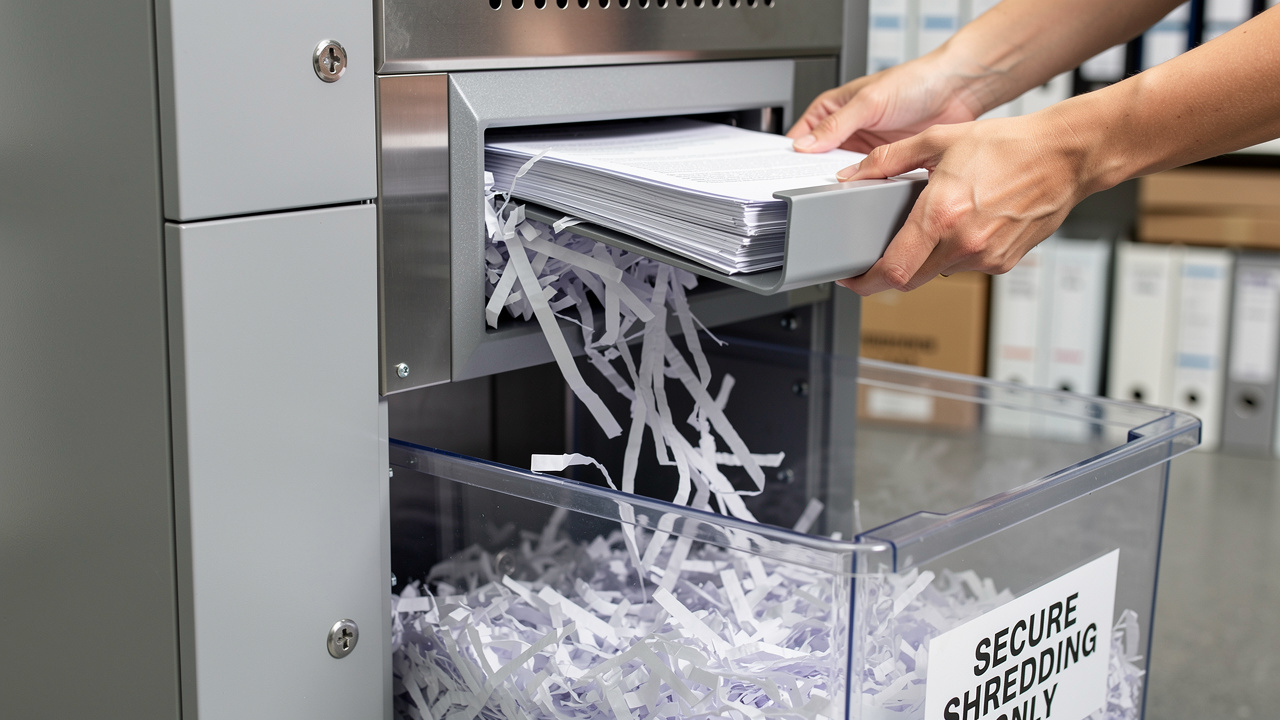
Shred any document with personal or financial details instead of tossing it in the trash. For large volumes, a professional shredding service works well and often provides a certificate of destruction. If you might ever need the information again, scan it before shredding.
What happens if I accidentally throw away an important record?
Many records can be replaced. For tax returns, you can get a free transcript through your IRS Online Account or by filing Form 4506-T, and you can request a full copy of a past return with Form 4506 for a fee. Your county recorder can provide copies of recorded deeds, and healthcare providers can usually supply copies of medical records. If you need a record for a legal proceeding and can’t get a replacement, an attorney may be able to help you reconstruct it.
Can a lawyer help me decide what to keep and what to discard?
Yes, an experienced attorney can review your specific tax, estate, property and long term care situation and flag anything tied to ongoing legal risk. We offer personalized guidance across these areas, helping you avoid both unnecessary clutter and costly gaps in your records.